Canadian Permanent Residence
Applying for Canadian Permanent Residence typically involves several steps, and the process can vary depending on the immigration program under which you are applying. Here’s a general overview of the process:
- Choose a Immigration Program: Determine which immigration program you are eligible to apply for. Canada offers various immigration programs, including Express Entry, Provincial Nominee Programs (PNPs), Family Sponsorship, and more. Each program has its own eligibility criteria and requirements.
- Gather Required Documents: Collect all necessary documents to support your application. These documents may include identification documents, educational credentials, proof of work experience, language proficiency test results (such as IELTS or CELPIP), police clearance certificates, medical exam results, and any other documents required by the specific immigration program.
- Create an Online Account (if applicable): If you are applying through certain immigration programs like Express Entry, you may need to create an online account on the Immigration, Refugees, and Citizenship Canada (IRCC) website. Obtain Permanent Residence
- Submit an Expression of Interest (EOI) or Application: Depending on the immigration program, you may need to submit an Expression of Interest (EOI) or directly apply for permanent residence. Follow the instructions provided by the specific immigration program to submit your application.
- Wait for Invitation (if applicable): If you are applying through an immigration program that operates on an invitation-based system (such as Express Entry), you may need to wait for an invitation to apply for permanent residence. Invitations are typically issued based on factors such as your Comprehensive Ranking System (CRS) score in Express Entry.
- Complete Medical Exam and Security Clearance: Once you receive an invitation to apply, you will need to undergo a medical examination by a designated panel physician and obtain police clearance certificates from all countries where you have lived for a certain period.
- Submit Application and Pay Fees: Complete and submit your application for permanent residence along with all required documents and pay the application fees. The fees vary depending on the immigration program and the number of family members included in the application. immigrate to canada what
- Attend Interview or Provide Additional Information (if requested): In some cases, you may be required to attend an interview with an immigration officer or provide additional information/documentation to support your application.
- Wait for Decision: Wait for a decision on your application. Processing times vary depending on the immigration program and the volume of applications being processed. canadian pr requirements eligibility
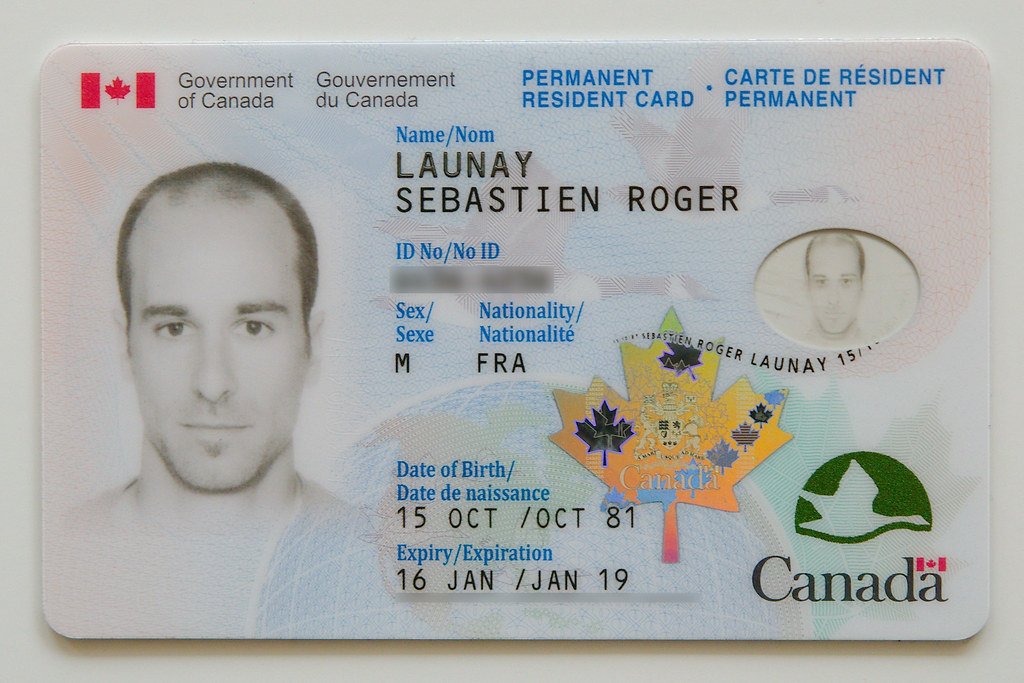
- Receive Confirmation of Permanent Residence (COPR): If your application is approved, you will receive a Confirmation of Permanent Residence (COPR) document. This document will include details such as your immigration category, visa validity, and terms and conditions of permanent residence.
- Land in Canada and Activate PR Status: Once you receive your COPR, you must land in Canada before the expiry date specified on the document to activate your permanent resident status. i immigrate to canada
It’s important to carefully review the specific requirements and instructions provided by the immigration program under which you are applying and to ensure that you submit a complete and accurate application. Additionally, consider seeking assistance from a qualified immigration consultant or lawyer if you have any questions or concerns about the application process. Canadian Permanent Residence
Canadian Permanent Residence (PR) status does not expire. Once you become a permanent resident of Canada, your status remains valid indefinitely, provided you meet the residency obligation and do not lose your status due to certain reasons such as criminality or misrepresentation.
However, there is a residency obligation that permanent residents must meet to maintain their status. Permanent residents must physically reside in Canada for at least 730 days (2 years) out of every 5-year period. Failure to meet this requirement could result in the loss of permanent resident status.
If you need to travel outside Canada for an extended period, you may apply for a Permanent Resident Travel Document (PRTD) to re-enter Canada as a permanent resident if your PR card has expired or you do not have one.
It’s important to note that Canadian citizenship is distinct from permanent residence. While permanent residence status does not expire, permanent residents may apply for Canadian citizenship if they meet the eligibility criteria, including meeting the residency requirement, Canadian Permanent Residence, passing a citizenship test, and demonstrating proficiency in English or French.
Be the first to review “Canadian Permanent Residence”
Related products
Buy Permanent Residence Card Online
Buy Permanent Residence Card Online
Buy Permanent Residence Card Online
Buy Permanent Residence Card Online
Reviews
There are no reviews yet.